

Role of Running Communities: Complete Guide for 2025
Over 60 percent of runners say community support keeps them motivated and committed. Today’s running groups go far beyond organized jogs through city streets. They bring together people from every background, turning the simple act of running into a source of friendship, encouragement, and shared achievement. As these communities redefine what it means to belong, members find more than fitness—they discover connection and a powerful sense of purpose.
Table of Contents
- What Defines A Running Community Today
- Types Of Running Communities In Central Europe
- Key Benefits And Functions For Members
- Building A Successful Community Structure
- Best Practices For Engagement And Safety
Key Takeaways
| Point | Details |
|---|---|
| Inclusivity is Fundamental | Modern running communities prioritize inclusivity, welcoming individuals of all skill levels and backgrounds, focusing on personal growth over competition. |
| Social and Emotional Support | These communities facilitate emotional support and social connections, transforming running into a shared experience that promotes motivation and accountability. |
| Structured Yet Flexible Frameworks | Successful running communities are built on clear leadership and communication, with adaptable goals and mechanisms for continuous feedback to foster collective growth. |
| Safety and Engagement Protocols | Effective communities implement safety measures, including buddy systems and emergency response guidelines, utilizing technology to enhance member protection and connection. |
What Defines a Running Community Today
Running communities in 2025 are far more than simple groups of athletes moving together. They represent complex social ecosystems built on shared passion, mutual support, and collective growth. According to ResearchProfiles, these communities transcend traditional fitness clubs by creating inclusive environments that celebrate individual journeys while fostering collective experiences.
Modern running communities are characterized by several defining attributes. Inclusivity stands as the foundational element, welcoming runners of all skill levels, backgrounds, and physical capabilities. As TheRunningAdvisor highlights, these groups prioritize encouragement over competition, creating spaces where personal growth matters more than performance metrics.
Key characteristics that define contemporary running communities include:
- Emotional support and empathy
- Collective celebration of individual achievements
- Structured yet flexible training approaches
- Digital and physical interaction platforms
- Commitment to personal and collective well-being
Beyond physical training, these communities serve as powerful social networks. They transform running from a solitary activity into a shared experience, where members find motivation, accountability, and genuine human connections. Whether meeting in local parks, connecting through digital platforms, or participating in group events, these communities represent a holistic approach to fitness that nurtures both body and mind.
Learn more about joining running communities in our comprehensive guide.
Types of Running Communities in Central Europe
Central Europe has emerged as a vibrant hub for diverse running communities, each reflecting unique cultural and urban dynamics. ResearchProfiles highlights the increasingly self-organized nature of these communities, which adapt seamlessly to varying runner skill levels and urban environments.
Urban Running Collectives represent the most prominent type of running community in this region. These groups typically form around major cities like Warsaw, Prague, and Budapest, leveraging digital platforms and local infrastructure to create interconnected networks. They distinguish themselves by offering:
- Structured group training sessions
- Social networking opportunities
- Skill development workshops
- Inclusive participation models
Another significant category includes Performance-Oriented Running Clubs. These more structured communities focus on competitive training, often affiliated with local athletics organizations. They provide professional coaching, structured training programs, and opportunities for runners to participate in regional and national competitions.
A third emerging type is Wellness and Social Running Groups. These communities prioritize holistic well-being over strict performance metrics. They blend fitness objectives with social interaction, mental health support, and community building. Discover more about joining these diverse running communities in our comprehensive guide.
Key Benefits and Functions for Members
Running communities offer far more than just group exercise opportunities. According to TheRunningAdvisor, these groups provide a holistic ecosystem of support, encouragement, and personal development that extends well beyond physical training.
The core psychological benefits of running communities are profound. TransMartProject emphasizes that these groups create safe, inclusive spaces that build individual confidence and foster personal growth. Members experience transformative advantages such as:
- Increased motivation and accountability
- Enhanced mental health support
- Reduced feelings of isolation
- Improved social connections
- Structured pathway for skill development
Practical functions of running communities include comprehensive member support mechanisms. These range from technical training assistance to emotional encouragement, creating multi-dimensional support networks. Professional coaches, experienced runners, and peers collaborate to help members achieve their fitness goals, address challenges, and celebrate individual milestones.
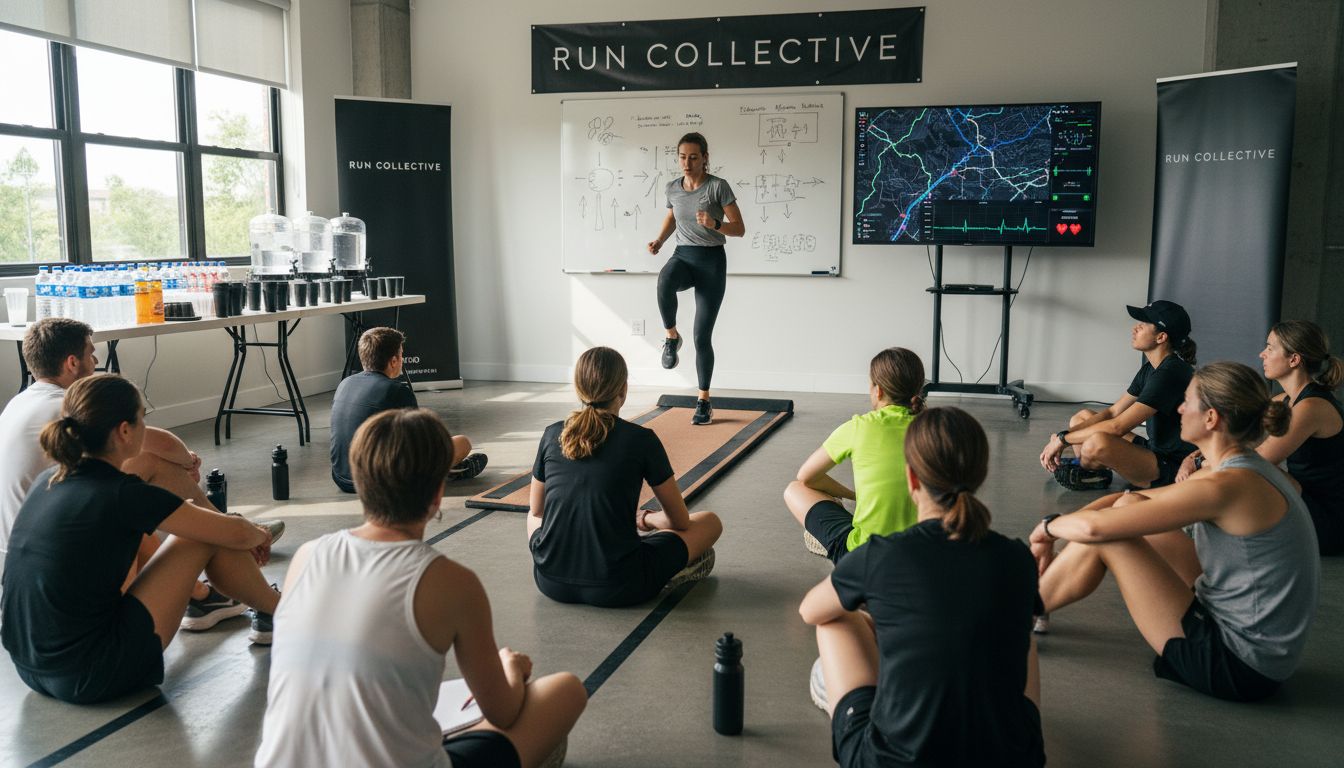
Beyond individual progress, these communities cultivate a sense of collective identity and shared purpose. They transform running from a solitary activity into a collaborative journey, where personal achievements are celebrated, challenges are collectively addressed, and members build lasting friendships. Learn more about joining running communities in our comprehensive guide.
Building a Successful Community Structure
Creating a thriving running community requires intentional design and strategic planning. TheRunningAdvisor emphasizes that successful communities are built on foundational principles of encouragement, inclusivity, and collective growth.
The core structural elements of an effective running community include:
- Clear leadership and organizational framework
- Transparent communication channels
- Flexible participation models
- Defined but adaptable goals
- Mechanisms for continuous feedback
TransMartProject highlights that successful communities create safe, inclusive environments by implementing robust support systems. This involves developing multiple engagement layers that accommodate runners with diverse skills, backgrounds, and personal objectives. Effective communities design structured yet flexible frameworks that allow individual growth while maintaining a strong collective identity.
Technological integration plays a crucial role in modern community structures. Digital platforms enable seamless communication, performance tracking, event coordination, and social interaction. These tools transform traditional running groups into dynamic, interconnected networks that can adapt quickly to members’ evolving needs.
VIDEO:video_content] [Learn more about joining running communities in our comprehensive guide.
Best Practices for Engagement and Safety
Safety and engagement are paramount in modern running communities. WorkingAbroad highlights that group running significantly enhances individual safety, creating a protective ecosystem where members look out for one another and can quickly respond to potential emergencies.
Key safety protocols for running communities include:
- Establishing clear communication channels
- Implementing buddy system practices
- Developing emergency response guidelines
- Sharing real-time location tracking
- Conducting regular safety training sessions
- Performing pre-run safety briefings
TransMartProject emphasizes the critical importance of creating inclusive environments that make every member feel secure and supported. This involves developing nuanced engagement strategies that accommodate diverse skill levels, physical capabilities, and personal comfort zones. Successful communities design comprehensive onboarding processes that gradually integrate new members while maintaining rigorous safety standards.
Technological innovations have transformed community safety approaches. Advanced mobile applications, GPS tracking, emergency alert systems, and real-time communication platforms enable running groups to maintain unprecedented levels of connection and protection. These tools not only enhance physical safety but also build trust and strengthen community bonds.
INFOGRAPHIC:infographic_content] [Learn more about joining running communities in our comprehensive guide.
Embrace the Power of Running Communities with Gear Designed for You
The article highlights the essential role running communities play in building motivation, inclusivity, and safety for every runner. If you have ever felt the challenge of finding apparel and accessories that truly support both your performance and your connection to the running community, you are not alone. Elite athletes and passionate amateurs alike seek gear that adapts to their needs while matching their unique identity. At Enthst, we understand these goals deeply. Our innovative running apparel and accessories are crafted with input from professional athletes and community enthusiasts to offer both technical excellence and streetwear style.
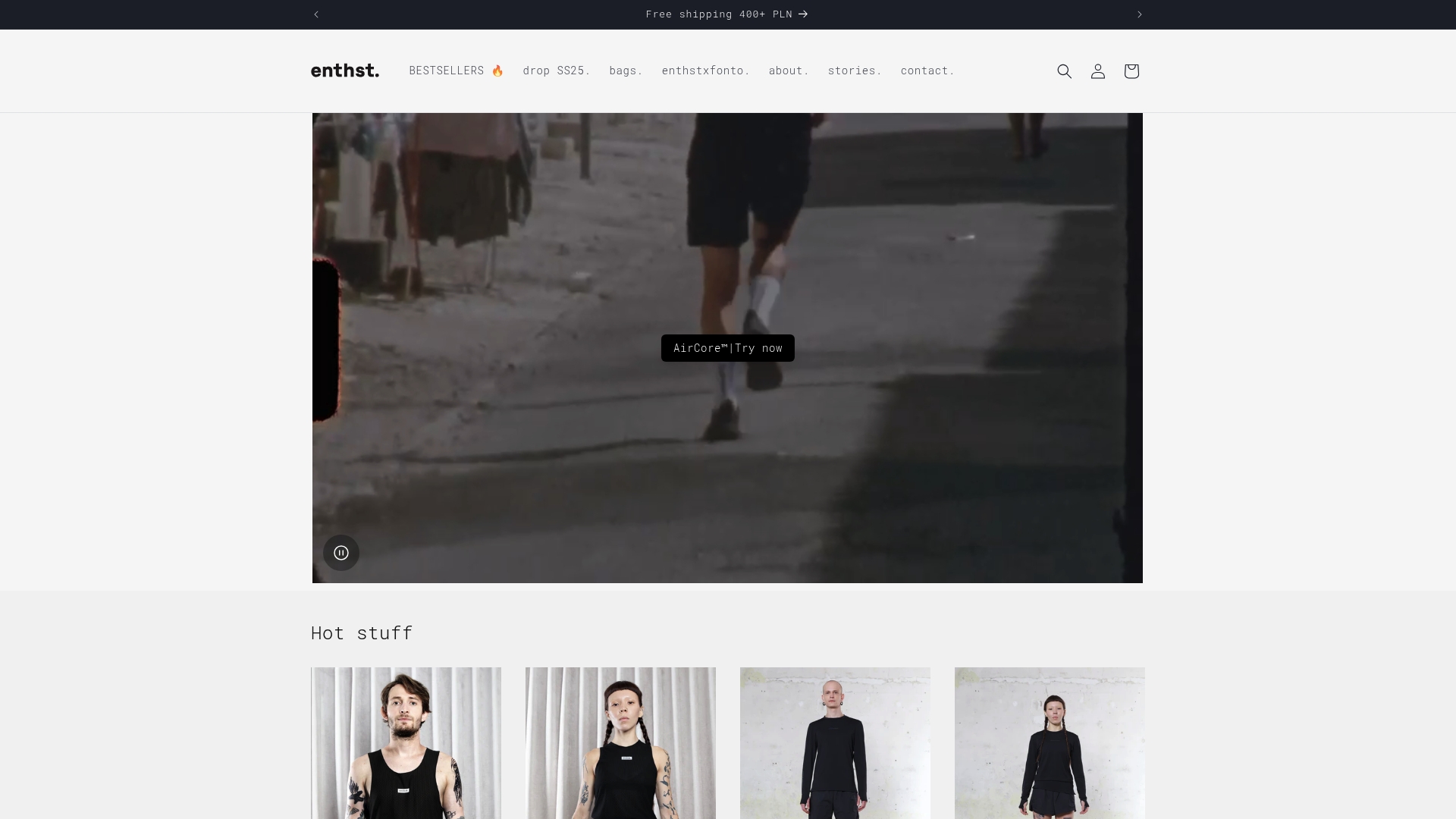
Step into gear that represents your community spirit and personal journey today. Discover how you can join thousands who run stronger, safer, and more confidently by visiting Enthst and exploring our collections designed to elevate every step. Start building your ideal running experience now with thoughtful, tested products that go beyond the standard. Learn more about what makes our brand uniquely connected to running communities in our comprehensive guide. Experience the next level of running apparel built for real runners just like you.
Frequently Asked Questions
What are the key characteristics of modern running communities?
Modern running communities focus on inclusivity, emotional support, collective celebration of achievements, flexible training approaches, and a blend of digital and physical interactions that nurture both personal and collective well-being.
How do running communities enhance motivation and accountability for members?
Running communities foster motivation and accountability by creating supportive environments where members encourage each other, celebrate personal milestones, and share challenges, transforming running into a collaborative journey.
What safety protocols should running communities implement?
Running communities should establish clear communication channels, implement buddy system practices, develop emergency response guidelines, share real-time location tracking, and conduct regular safety training sessions to ensure member safety during group runs.
Why are technology and digital platforms important for modern running communities?
Technology and digital platforms are vital as they enable seamless communication, performance tracking, event coordination, and social interaction, transforming traditional running groups into dynamic networks that adapt to members’ needs.