

Running Apparel Terminology: Complete Guide for Runners
Did you know that modern running clothing can wick sweat away from your skin up to five times faster than cotton? The right apparel does more than look sharp, it protects your skin, helps regulate temperature, and supports your every stride. From moisture management to new fabric technology, understanding what makes running gear truly functional helps every runner enjoy safer, more comfortable miles no matter their experience level.
Table of Contents
Defining Running Apparel Terminology And Concepts
Types Of Running Garments And Accessories
Technical Fabrics And Material Innovations Explained
Key Features: Fits, Cuts, And Functions
Common Misconceptions And Mistakes To Avoid
Defining Running Apparel Terminology and Concepts
Running apparel represents a sophisticated ecosystem of performance-driven clothing engineered specifically for athletes. According to KU Leuven, running garments are meticulously designed using advanced materials like polyester and nylon that provide critical performance benefits during physical activity.
The fundamental performance characteristics of running apparel revolve around three core concepts:
- Moisture Management: Fabrics engineered to rapidly wick sweat away from the skin
- Temperature Regulation: Materials designed to maintain optimal body temperature
- Fit Dynamics: Clothing constructed to support natural movement patterns
Modern running apparel goes far beyond basic clothing. Ryzon highlights that contemporary running wear is scientifically developed to ensure athletes remain comfortable by maintaining skin dryness and managing physiological responses during exercise. This means selecting the right running gear isn’t just about style - it’s about creating a performance-enhancing environment for your body.
Understanding these technical nuances helps runners make informed decisions when selecting their training and racing attire.
By prioritizing functional design over mere aesthetic appeal, athletes can optimize their comfort, performance, and overall running experience.
Types of Running Garments and Accessories
Running apparel is a comprehensive ecosystem of specialized clothing designed to support athletes through every stride. Sport Conrad breaks down running garments into several essential categories that cater to different performance needs and environmental conditions.
Key Running Garment Categories include:
- Upper Body Wear: Shirts, long-sleeve tops, and lightweight jackets
- Lower Body Wear: Shorts, tights, compression pants, and skirts
- Base Layers: Form-fitting garments that manage moisture and temperature
Beyond core clothing, Momentum Sports emphasizes the importance of running accessories that complete an athlete’s performance ensemble. These critical additions include:
- Moisture-wicking socks
- Performance caps and headwear
- Running gloves
- Lightweight waterproof jackets
- Performance underwear
Understanding the nuanced role of each garment and accessory allows runners to build a versatile wardrobe that adapts to varying training conditions. Strategic layering and selecting purpose-built pieces can significantly enhance comfort, reduce injury risk, and optimize overall running performance. Whether you’re training for a marathon or enjoying weekend trail runs, the right combination of running garments transforms your exercise experience.
Technical Fabrics and Material Innovations Explained
Running apparel technology has transformed dramatically, with fabric innovations driving performance and comfort to unprecedented levels. Sprintec Sports highlights the revolutionary development of polyester multi-fibre fabrics, featuring micro-cell construction that dramatically improves moisture management and athlete comfort.
Key Technical Fabric Innovations include:
- Moisture-Wicking Technologies: Fabrics engineered to rapidly absorb and channel perspiration
- Breathable Mesh Zones: Strategic ventilation points for temperature regulation
- Quick-Dry Materials: Synthetic fibers that dry exponentially faster than traditional textiles
Ryzon emphasizes the evolution of running wear materials, showcasing how modern fabrics adapt to different environmental conditions. Seasonal variations are now addressed through specialized textiles:
- Lightweight mesh fabrics for summer running
- Thermal-insulated materials for cooler temperatures
- Compression zones for muscle support and recovery
These sophisticated material innovations represent more than aesthetic improvements. They fundamentally transform how runners experience their training, providing scientifically engineered solutions that enhance performance, regulate body temperature, and minimize discomfort during various running conditions.
Here’s a summary of key technical fabric innovations and their benefits:
| Innovation | Description | Performance Benefit |
|---|---|---|
| Moisture-Wicking Technology | Rapidly pulls sweat from skin | Keeps skin dry, reduces chafing |
| Breathable Mesh Zones | Strategic ventilation panels | Enhances cooling, reduces heat |
| Quick-Dry Materials | Synthetic fibers dry faster | Minimizes weight, boosts comfort |
| Lightweight Mesh Fabrics | Airy materials for warm conditions | Improves airflow, reduces heat |
| Thermal-Insulated Materials | Added insulation for cold environments | Retains warmth, maintains temps |
| Compression Zones | Targeted areas for muscle support | Reduces fatigue, aids recovery |
Key Features: Fits, Cuts, and Functions
Ryzon emphasizes that optimal running clothing is a sophisticated balance between performance and comfort. The key lies in creating garments that are lightweight, close-fitting, and engineered to support the runner’s natural movement without unnecessary restriction.
Fit Categories for Running Apparel:
- Compression Fit: Tight-fitting garments that support muscles and improve blood circulation
- Athletic Fit: Slightly looser than compression, allowing more freedom of movement
- Relaxed Fit: Provides maximum breathability and comfort for casual running
Sport Conrad highlights the critical importance of strategic design elements in running shirts. The primary considerations include:
- Moisture transport capabilities
- Strategic mesh inserts for enhanced breathability
- Flat seam construction to minimize friction
- Range of fit options from wide to tight
Ultimately, the perfect running garment is a nuanced combination of material technology, ergonomic design, and individual body mechanics. Runners should prioritize clothing that feels like a second skin - supporting performance while remaining virtually unnoticeable during intense physical activity.
Common Misconceptions and Mistakes to Avoid
KU Leuven warns runners about one of the most critical mistakes in running apparel selection: choosing the wrong fabric. Cotton clothing is perhaps the most significant pitfall for runners, as it absorbs moisture and creates uncomfortable, potentially harmful running conditions.
Key Running Apparel Misconceptions:
- Fabric Myth: Believing all materials perform equally during exercise
- Sizing Error: Selecting clothing based on everyday wear standards
- Layering Misunderstanding: Assuming more layers always mean more warmth
The Running Well emphasizes that runners should prioritize moisture-wicking fabrics to prevent several critical issues:
- Avoid cotton socks that trap moisture
- Choose polyester, nylon, or merino wool for better performance
- Select breathable materials that reduce chafing and blister risks
Understanding these common mistakes can transform your running experience. Proper apparel is not just about looking good - it’s about creating a comfortable, performance-enhancing environment that supports your body’s natural movements and helps you achieve your running goals.
Elevate Your Run with Apparel Designed for True Performance
Choosing the right running apparel means mastering the art of moisture management, temperature regulation, and fit dynamics just like the article explains. Many runners struggle with discomfort from cotton fabrics and poorly fitting gear that holds back their potential. If you’re ready to move beyond those common mistakes and experience clothing that supports every stride, you need gear engineered for your unique needs.
Discover our collection S25 | Enthst.com where innovation meets community-driven design. 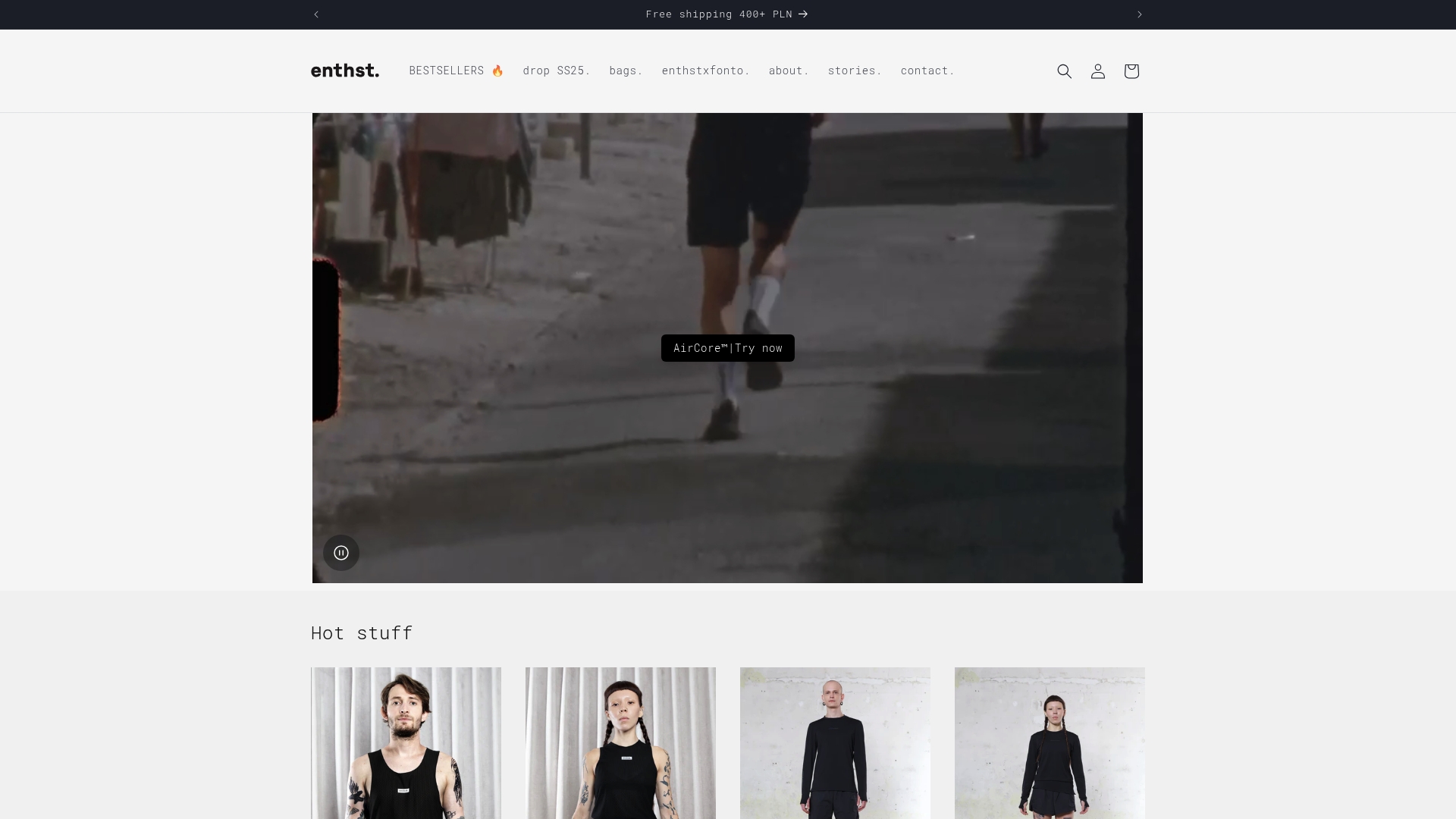
Join the movement of runners who demand more than ordinary apparel. Explore high-performance fabrics, experimental materials, and streetwear style tailored for both athletes and enthusiasts at Enthst.com. Find your perfect fit now and run with confidence every mile.
Frequently Asked Questions
What types of fabrics are best for running apparel?
Materials like polyester, nylon, and merino wool are ideal for running apparel due to their moisture-wicking properties, breathability, and temperature regulation. These fabrics keep the skin dry and comfortable during physical activity.
How does moisture management in running apparel work?
Moisture management involves using fabrics that rapidly wick sweat away from the skin. This helps to keep the runner dry and reduces the risk of chafing and discomfort during exercise.
What are the different fits available for running apparel?
Running apparel commonly comes in three fit categories: compression fit, which is tight and supports muscles; athletic fit, which allows for more movement; and relaxed fit, which offers maximum breathability and comfort for casual running.
Why should I avoid cotton clothing for running?
Cotton absorbs moisture and can become heavy and uncomfortable, leading to chafing and other issues during exercise. It’s recommended to choose moisture-wicking materials instead for a more comfortable running experience.