

Multi-Functional Running Gear: Complete Guide
More than 60 percent of runners now seek apparel that adapts to changing conditions and diverse workouts. Today’s running scene demands gear that keeps up with unpredictable weather, varied terrains, and shifts in training intensity. Multi-functional running gear meets this challenge by combining smart materials with clever design, offering unmatched flexibility and comfort for athletes who want their wardrobe to work as hard as they do.
Table of Contents
- Defining Multi‑Functional Running Gear
- Variations: Apparel, Accessories, Smart Gear
- Technical Characteristics and Materials
- Selecting Gear: Key Requirements
- Practical Implications and Trade‑Offs
Key Takeaways
| Point | Details |
|---|---|
| Adaptability | Multi-functional running gear is designed to adapt to various running environments and conditions, enhancing performance and comfort. |
| Technological Advancements | This gear incorporates advanced materials and features, such as moisture-wicking and temperature regulation, to improve athletic efficiency. |
| Comprehensive Selection | Runners should evaluate their specific needs and environments when selecting gear for optimal performance and comfort. |
| Trade-offs | Investing in high-tech running gear involves balancing cost, complexity, and durability with potential performance benefits. |
Defining Multi‑Functional Running Gear
Multi-functional running gear represents a revolutionary approach to athletic apparel that goes beyond traditional single-purpose clothing. These innovative pieces are designed to adapt, perform, and transform across multiple running environments and physical conditions. Unlike standard running wear, multi-functional gear integrates advanced material technologies and smart design principles to provide runners with versatile, high-performance solutions.
At its core, multi-functional running gear is characterized by several key attributes that distinguish it from conventional sportswear. These characteristics include adaptable fabric compositions, modular design elements, and integrated technical features that enhance a runner’s performance and comfort. For instance, a multi-functional running jacket might transform from a lightweight wind shell to a thermal layer, or running shorts could include built-in compression elements and moisture-wicking capabilities.
The primary goal of multi-functional running gear is to provide runners with maximum flexibility and efficiency. Understanding technical running apparel becomes crucial in appreciating these advanced garments. Runners benefit from gear that can seamlessly transition between different training scenarios such as:
- High-intensity interval training
- Long-distance endurance runs
- Trail running across varied terrain
- Indoor track workouts
- Urban running environments
By investing in multi-functional running gear, athletes can reduce the need for multiple specialized clothing items, creating a more streamlined and cost-effective approach to their running wardrobe. The technology embedded in these garments represents a significant leap forward in athletic apparel design, offering unprecedented versatility and performance optimization for runners of all skill levels.
Variations: Apparel, Accessories, Smart Gear
Multi-functional running gear encompasses a diverse range of products that can be categorized into three primary segments: apparel, accessories, and smart gear. Each category brings unique technological innovations and performance-enhancing capabilities to the running experience, allowing athletes to customize their equipment based on specific training needs and environmental conditions.
Apparel serves as the foundation of multi-functional running gear, featuring advanced materials designed for maximum adaptability. These garments integrate cutting-edge fabric technologies that respond dynamically to temperature changes, moisture levels, and physical exertion. From lightweight compression shirts that support muscle recovery to transformative jackets with removable layers, modern running apparel goes far beyond traditional sportswear.
Role of running accessories becomes critical in enhancing overall performance and comfort. Accessories like performance socks with targeted compression zones, multi-purpose headwear that can be configured in various ways, and lightweight hydration systems demonstrate the innovative potential of multi-functional design.
Smart gear represents the most technologically advanced segment of multi-functional running equipment. According to research from arXiv, wearable devices now enable automatic classification of running styles, providing runners with sophisticated feedback to optimize performance and reduce injury risks. These smart technologies integrate seamlessly into running gear, offering real-time biomechanical analysis, performance tracking, and personalized training insights.
The evolution of multi-functional running gear represents a convergence of textile engineering, biomechanics, and digital technology. By breaking traditional boundaries between apparel, accessories, and technological tools, these innovations provide runners with unprecedented levels of customization, comfort, and performance optimization.
Technical Characteristics and Materials
Multi-functional running gear distinguishes itself through an intricate combination of advanced material technologies and precision engineering. The core objective of these technical materials is to create adaptive, responsive clothing that enhances athletic performance while providing maximum comfort across diverse running environments.
Textile innovation lies at the heart of multi-functional running gear’s technological advancement. According to Sporting Tex, functional textiles incorporate sophisticated materials engineered to deliver exceptional performance benefits. These include:
- Moisture-wicking fabrics that rapidly transport sweat away from the body
- Far-infrared emitting textiles that help regulate body temperature
- Antimicrobial fibers that reduce odor and bacterial growth
- Compression materials that support muscle groups and enhance circulation
- Thermally adaptive textiles that adjust to changing environmental conditions
The material composition of multi-functional running gear goes beyond traditional fabric considerations. Advanced synthetic blends and engineered fibers are strategically designed to provide targeted performance enhancements. For instance, some materials integrate micro-ventilation channels to optimize breathability, while others utilize phase-change technologies that actively manage body temperature during intense physical activities.
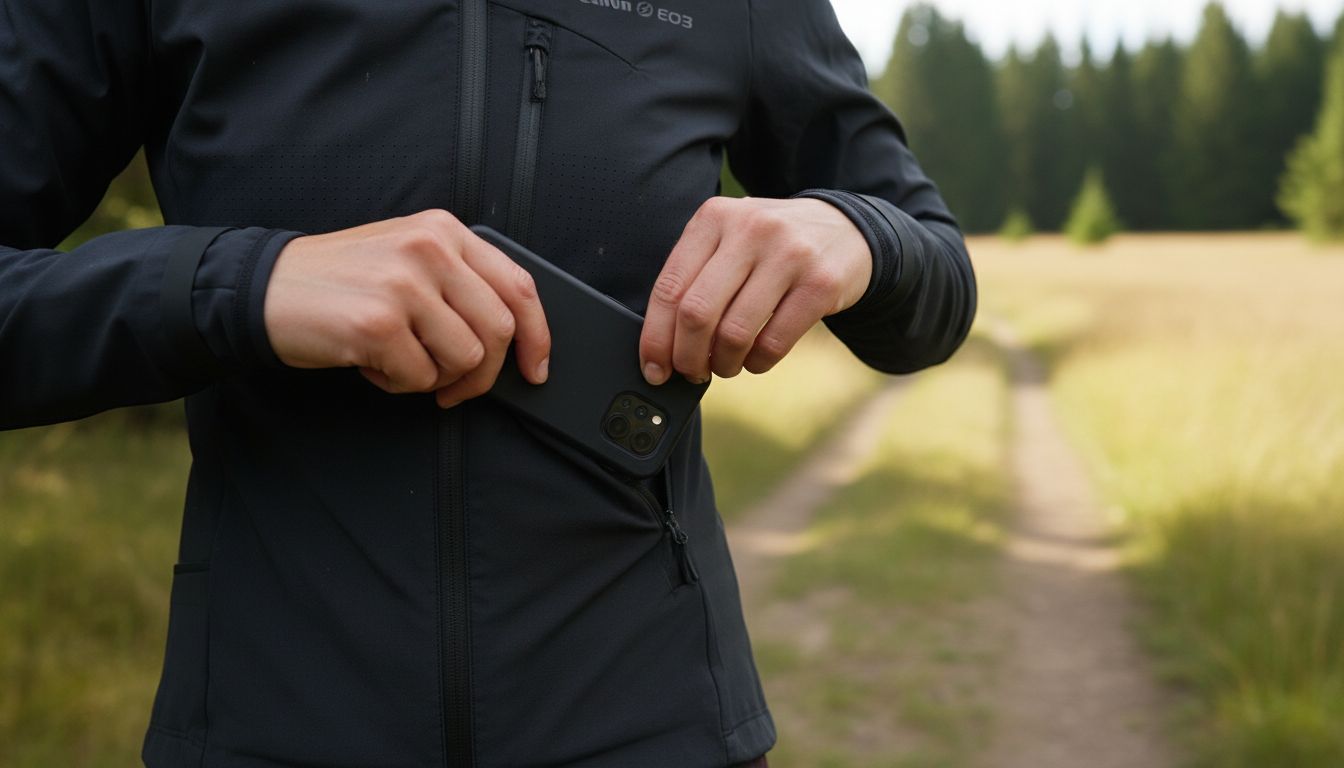
Runners now benefit from materials that are not just passive protective layers, but active performance partners. Nanotechnology and biomimetic design principles have enabled the creation of smart textiles that can respond dynamically to a runner’s physiological signals. These materials can adjust their thermal properties, provide targeted compression, and even monitor biometric data in real-time, representing a quantum leap in athletic apparel design.
Selecting Gear: Key Requirements
Choosing the right multi-functional running gear is a strategic process that goes beyond simple aesthetic preferences. Runners must carefully evaluate their specific performance needs, training environments, and individual physiological characteristics to make informed equipment selections that enhance their athletic capabilities.
According to Unirav, optimal workout gear selection hinges on several critical factors that directly impact performance and comfort. These key requirements include:
- Moisture-wicking properties that efficiently manage sweat and prevent discomfort
- Seamless construction to minimize potential chafing and skin irritation
- Temperature regulation capabilities for adapting to various environmental conditions
- Compression support that promotes muscle efficiency and reduces fatigue
- Durability and resistance to wear across different running terrains
Research from MDPI emphasizes the importance of selecting gear that aligns precisely with specific performance requirements and environmental conditions. This means runners must consider more than just basic comfort – they need equipment that can dynamically respond to changing physical demands and external challenges.
The selection process requires a holistic approach that balances technical specifications with personal running goals. Factors like running style, typical training environments, intensity of workouts, and individual body mechanics all play crucial roles in determining the most appropriate multi-functional running gear. By prioritizing adaptive, performance-enhancing equipment, runners can significantly improve their training effectiveness and overall athletic experience.
Practical Implications and Trade‑Offs
Multi-functional running gear represents a sophisticated approach to athletic equipment, but it also comes with complex practical considerations that runners must carefully evaluate. The advanced technologies and innovative design principles embedded in these garments introduce a nuanced landscape of performance benefits and potential limitations.
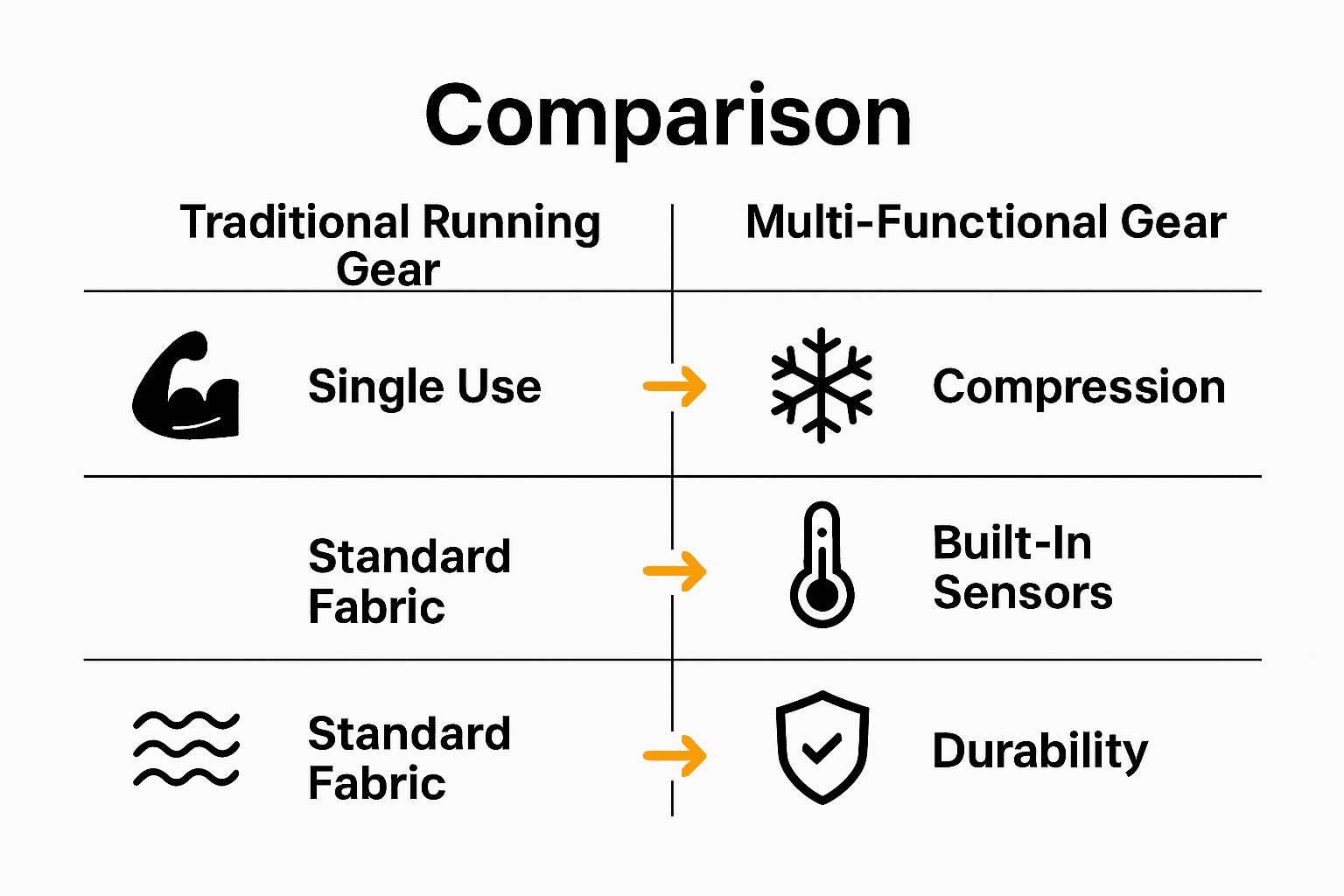
Performance optimization often requires strategic compromises. While multi-functional gear aims to provide comprehensive solutions, runners must understand that each technological enhancement potentially introduces specific trade-offs. For instance, highly advanced moisture-wicking materials might sacrifice some durability, or compression elements could reduce overall fabric flexibility.
The key trade-offs runners encounter with multi-functional gear typically manifest in several critical dimensions:
- Cost versus Performance: Advanced technologies significantly increase product pricing
- Weight and Complexity: More features often mean heavier, more intricate garments
- Specialization versus Versatility: General-purpose gear might not excel in specific conditions
- Technological Longevity: Cutting-edge materials may have shorter functional lifespans
- Maintenance Requirements: Complex gear demands more sophisticated care and cleaning
Running apparel terminology becomes crucial in navigating these nuanced selections. Runners must develop a sophisticated understanding of how different technological features interact, balancing their personal performance goals with practical constraints. The most successful athletes approach multi-functional gear as a strategic investment, carefully weighing immediate benefits against long-term performance potential and financial considerations.
Elevate Your Run with True Multi-Functional Gear
Facing the challenge of finding running apparel that truly adapts to every condition can feel frustrating. You want gear that balances moisture-wicking, compression support, and temperature regulation without compromising style or comfort. The key is embracing multi-functional running gear designed to perform across urban streets, challenging trails, and varied climates — exactly what enthusiasts crave for maximum efficiency and versatility.
Discover how our tested solutions combine innovative materials and smart design to solve these problems in the collection S25 | Enthst.com lineup.
Experience gear that moves with your body and adapts like a second skin. At Enthst, we work hand in hand with runners, both pros and amateurs, to push boundaries beyond standard sportswear and streetwear fashion. Don’t settle for ordinary when you can wear thoughtfully engineered apparel and accessories made to keep you comfortable and empowered. Explore our bestsellers | Enthst.com now and take the next step to enhance your running performance today.
Frequently Asked Questions
What is multi-functional running gear?
Multi-functional running gear is innovative athletic apparel designed to adapt and perform in various running environments and physical conditions. These garments feature advanced materials and design elements that enhance versatility and comfort.
What are the key characteristics of multi-functional running gear?
The key characteristics include adaptable fabric compositions, modular design elements, and integrated technical features that improve performance, such as moisture-wicking, temperature regulation, and compression support.
How do I choose the right multi-functional running gear for my needs?
Choosing the right gear involves evaluating your performance needs, training environments, and physiological characteristics. Look for moisture-wicking properties, temperature regulation capabilities, and durable materials that align with your running goals.
Are there any trade-offs associated with multi-functional running gear?
Yes, trade-offs may include cost versus performance, weight and complexity, and the balance between specialization and versatility. Advanced technologies can increase prices and may affect durability and maintenance requirements.