

Role of Running Accessories: Complete Guide
Over 80 percent of dedicated runners rely on specialized accessories to maximize their training and stay injury-free. The right gear does more than simply add comfort or style—it can sharpen performance, monitor vital data in real time, and offer meaningful protection during every run. As new technology shapes even the basics like footwear and wearables, understanding the true role of running accessories can help you train smarter, improve safety, and get more from every mile.
Table of Contents
Defining Role of Running Accessories
Categories of Running Accessories
How Accessories Enhance Running
Safety and Legal Obligations
Common Mistakes and Misuse
Alternatives and Community Trends
Defining Role of Running Accessories
Running accessories represent far more than simple add-ons to a runner’s gear—they are strategic performance enhancers that transform basic training into a sophisticated athletic experience. These specialized tools and equipment help runners optimize their performance, track progress, manage physical strain, and reduce potential injury risks.
According to research from arxiv.org, cutting-edge accessories are evolving beyond traditional expectations. For instance, innovative wearable technologies like muscle sensing jogging leggings with embroidered surface EMG electrodes can now record intricate muscle activity data from specific muscle groups such as the quadriceps. This technological advancement demonstrates how running accessories are transitioning from passive equipment to active performance monitoring systems.
Key Functions of Running Accessories include:
- Performance optimization
- Injury prevention
- Physical data tracking
- Comfort enhancement
- Technical movement analysis
Further research from arxiv.org highlights another fascinating dimension of running accessories—their potential to introduce controlled physical challenges. Studies exploring unstable footwear suggest these accessories can serve as “noise-based training gear” designed to exercise and improve a runner’s body center of mass motion during movement. This indicates that modern running accessories are not just supplementary equipment but intelligent training tools that can actively contribute to an athlete’s biomechanical development.
For runners looking to understand their equipment more comprehensively, our guide on running apparel terminology provides deeper insights into the technical aspects of running gear and accessories.
Categories of Running Accessories
Running accessories can be strategically divided into several critical categories that address different aspects of a runner’s performance, safety, and training experience. These categories range from performance-tracking equipment to protective gear, each serving a unique and essential purpose in a runner’s toolkit.
Research from arxiv.org underscores the importance of one fundamental category: footwear. Studies analyzing impact forces reveal that running shoes are not merely accessories, but critical equipment that plays a significant role in reducing injury risk. Modern running shoes are engineered with advanced biomechanical considerations to distribute impact, support specific foot structures, and enhance overall running efficiency.
Primary Categories of Running Accessories:
- Performance Tracking Devices
- GPS watches
- Heart rate monitors
- Fitness trackers
- Protective Gear
- Compression wear
- Knee and ankle supports
- Moisture-wicking clothing
- Safety Accessories
- Reflective gear
- Head lamps
- Safety lights
- Recovery Equipment
- Foam rollers
- Compression socks
- Massage tools
Additionally, emerging technologies are expanding our understanding of running accessories. arxiv.org highlights fascinating developments in wearable technology, with deep learning solutions now capable of classifying different running styles through data collected from devices placed on various lower body regions. This demonstrates how running accessories are evolving from passive equipment to intelligent, data-generating tools that provide personalized insights into an athlete’s biomechanics.
Runners seeking a comprehensive understanding of their gear can explore our guide on running gear for teams to discover more detailed insights into selecting the right accessories for different training needs.
How Accessories Enhance Running
Running accessories are sophisticated performance multipliers that transform ordinary running experiences into precision-driven athletic journeys. They represent more than simple equipment—they are intelligent tools designed to optimize physical performance, prevent injuries, and provide critical insights into a runner’s biomechanical patterns.
Performance Enhancement Mechanisms:
- Injury Prevention
- Movement Optimization
- Physiological Monitoring
- Technical Feedback
- Recovery Support
Research from arxiv.org reveals groundbreaking insights into how advanced accessories can analyze muscle performance. The study’s wearable muscle sensing device demonstrates the potential to track muscle fatigue during running, providing runners with unprecedented understanding of their physical exertion and potential injury risks. This technological breakthrough transforms accessories from passive equipment to active performance analysis tools.
Further scientific exploration, such as research from arxiv.org, highlights innovative approaches to running enhancement. Studies exploring unstable rocker-bottom footwear suggest that strategic accessories can serve as speed-dependent training gear, specifically designed to exercise and improve a runner’s body center of mass motion. This indicates that modern running accessories are not just supplementary equipment, but intelligent training mechanisms that can actively contribute to biomechanical development.
Runners looking to dive deeper into understanding their training approach can explore our guide on how to start running, which provides comprehensive insights into leveraging accessories for optimal performance.
Safety and Legal Obligations
Safety is paramount in running accessories, extending far beyond mere performance considerations to encompass legal compliance, user protection, and industry standards. Runners must navigate a complex landscape of regulatory requirements and safety protocols when selecting and using their equipment.
According to Europa.eu, safety regulations can vary significantly across different regions. This variability underscores the importance of understanding local requirements, particularly when running in diverse environments. While guidelines might differ, the fundamental principles of runner safety remain consistent: visibility, protection, and risk mitigation.
Critical Safety Considerations:
- High-visibility clothing
- Reflective gear for low-light conditions
- Impact-resistant protective equipment
- Compliance with local safety standards
- Personal injury prevention mechanisms
The legal landscape of running accessories is further complicated by technical standards and certification processes. Researchers highlight the significance of product certification, particularly the CE marking, which indicates that a product meets essential safety and performance requirements. This marking allows free trade within the European Economic Area and serves as a crucial indicator of product reliability and safety standards.
Runners seeking comprehensive guidance on navigating these complex safety considerations can explore our guide on runners’ communities, which provides insights into best practices and community-driven safety standards.
Common Mistakes and Misuse
Running accessories are sophisticated tools that require careful selection, proper usage, and ongoing maintenance. Many runners unknowingly compromise their performance and safety by making critical errors in how they choose, use, and maintain their equipment.
Frequent Misuse Patterns:
- Ignoring manufacturer instructions
- Using accessories beyond recommended lifespan
- Inappropriate sizing or fit
- Neglecting regular equipment maintenance
- Misinterpreting performance data
Research from Wikipedia highlights a critical issue in product selection: some manufacturers improperly affix CE markings to products that do not actually meet legal requirements. This means runners must be vigilant and not automatically trust product certifications, instead conducting thorough research and verification before purchasing accessories.
Particularly concerning are safety-related accessories where misuse can have severe consequences. According to Wikipedia, fatal traffic accidents frequently occur when drivers fail to see pedestrians or cyclists until it’s too late to avoid collision. This underscores the critical importance of properly using high-visibility and reflective running gear, ensuring they are positioned correctly, maintained in good condition, and used consistently during low-light conditions.
Runners seeking to enhance their understanding of proper equipment usage can explore our guide on how to start running, which provides comprehensive insights into selecting and maintaining running accessories effectively.
Alternatives and Community Trends
The running accessories landscape is continuously evolving, driven by technological innovations, community feedback, and a growing understanding of personalized athletic performance. Runners today are no longer satisfied with one-size-fits-all solutions but instead seek adaptive, intelligent equipment that responds to individual biomechanical needs.
Emerging Community Trends:
- Personalized performance tracking
- Modular and adaptable accessories
- Sustainable and eco-friendly equipment
- Smart technology integration
- Community-driven design feedback
Research from arxiv.org underscores the complexity of individual running styles, revealing that subject-independent classification of running techniques is considerably challenging. This finding highlights a critical trend: the increasing demand for highly personalized running accessories that can adapt to unique individual movement patterns and physiological characteristics.
Further scientific exploration, such as research from arxiv.org, reveals fascinating insights into equipment functionality. Studies demonstrate that certain accessories, like unstable rocker-bottom footwear, can function differently based on speed—acting as a facilitator at slower paces and a constraint during brisk running. This nuanced understanding is driving innovation toward more dynamic, context-aware running accessories.
Runners looking to stay connected with the latest trends and community insights can explore our guide to runners’ communities, which provides a comprehensive overview of how athletic communities are shaping the future of running equipment.
Elevate Your Running Experience with Innovative Accessories
Understanding the vital role that running accessories play in enhancing performance and protecting your body is just the first step. Whether you are looking to optimize your biomechanics, prevent injuries, or embrace cutting-edge technical gear, the right accessories make all the difference. If you want equipment that is designed with both professional athletes and enthusiasts in mind, crafted through experimentation and community feedback, you have found your match.
Discover our carefully crafted selection of running essentials in the accessories collection where innovation meets style. 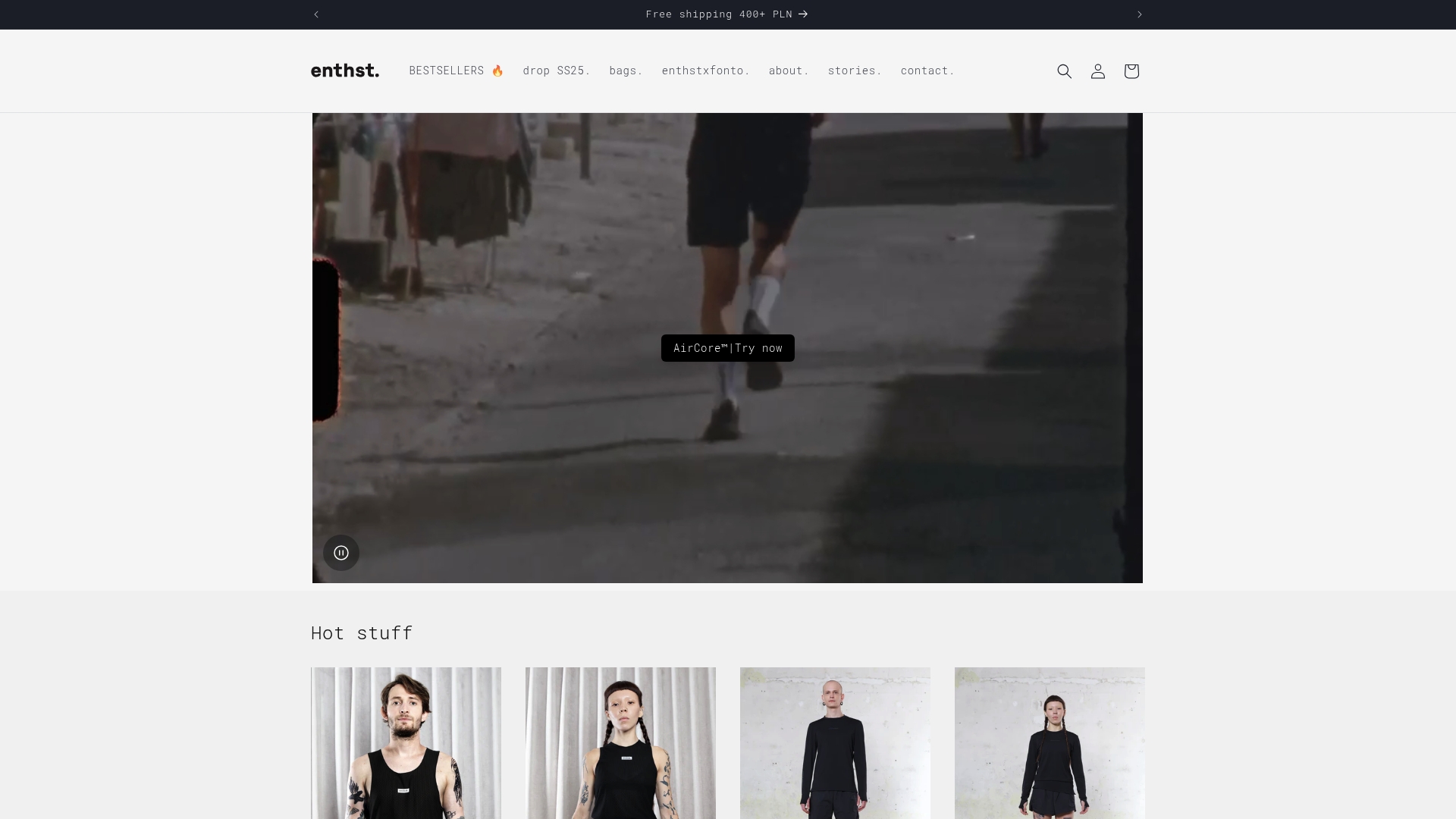
Take action now to transform your running routine with gear that goes beyond ordinary standards. Visit Enthst’s main site and explore the latest collection S25 for advanced apparel and accessories designed to keep you safe, comfortable, and ahead of the pack. Your best run starts with the right support—make it happen today.