

The Essential Guide to Accessories in Running
More than 80 percent of runners say that the right accessories directly impact their comfort and results. The world of running gear goes far beyond shoes, offering everything from smart trackers to safety vests that meet the unique needs of every athlete. Whether you are training for your first 5K or pushing for a marathon personal best, knowing which accessories offer true benefits can transform your run and help you avoid costly mistakes.
Table of Contents
- Defining Running Accessories And Their Purpose
- Types Of Running Accessories And Key Differences
- Performance, Comfort, And Injury Prevention Benefits
- Safety, Visibility, And Seasonal Adaptations
- Innovation, Material Experimentation, And Community Feedback
- Common Mistakes In Accessory Selection And Use
Key Takeaways
| Point | Details |
|---|---|
| Accessory Functions | Running accessories enhance performance, provide protection, and serve aesthetic purposes, tailored for various skill levels and environments. |
| Performance and Comfort | Proper selection of accessories can optimize training efficiency, comfort, and injury prevention, significantly impacting a runner’s experience. |
| Safety Essentials | Investing in safety gear, like reflective and visibility accessories, is crucial for ensuring a secure running experience in diverse environments. |
| Avoiding Common Mistakes | Runners should avoid sizing errors, misalignment of performance needs, and neglecting maintenance to enhance their overall accessory experience. |
Defining Running Accessories and Their Purpose
Running accessories are specialized equipment and gear designed to enhance performance, provide protection, and improve the overall running experience. Accessories play a critical role in supporting runners across different skill levels and environments. According to research from ijera.com, these accessories can be categorized into three primary functions: performance enhancement, protection, and aesthetic purposes.
Performance-focused running accessories range from high-tech wearable devices to specialized clothing and gear. These items are engineered to help runners track metrics, improve efficiency, and optimize their training. jfootankleres.biomedcentral.com highlights the scientific approach behind developing running accessories, emphasizing how research drives innovation in creating gear that reduces injury risk and enhances athletic performance.
The primary categories of running accessories include:
- Performance Trackers: GPS watches, heart rate monitors, stride sensors
- Protective Gear: Compression wear, knee braces, ankle supports
- Hydration Equipment: Water bottles, hydration belts, handheld carriers
- Safety Accessories: Reflective gear, LED lights, emergency identification tags
- Comfort Enhancers: Advanced running socks, moisture-wicking headbands, gloves
Understanding the purpose and potential benefits of these accessories can help runners make informed choices about their gear. Whether you are a professional athlete or an amateur enthusiast, the right accessories can significantly impact your running performance, comfort, and overall experience. For a comprehensive overview of running gear options, check out our Role of Running Accessories: Complete Guide.
Types of Running Accessories and Key Differences
Running accessories encompass a diverse range of equipment designed to support different aspects of a runner’s performance and comfort. Categorization of these accessories is crucial for understanding their specific roles and potential benefits. bmcsportsscimedrehabil.biomedcentral.com highlights the complexity of accessory design, emphasizing how individualized features can significantly impact a runner’s biomechanics and injury prevention.
The key categories of running accessories can be distinguished by their primary functions and technological sophistication. According to research from mdpi.com, precise terminology is essential in understanding the nuanced differences between various running accessories. These categories typically include:
-
Performance Monitoring Accessories
- GPS tracking devices
- Heart rate monitors
- Advanced running watches
- Stride and cadence sensors
-
Protective and Support Accessories
- Compression wear
- Joint supports (knee braces, ankle supports)
- Impact-absorbing insoles
- Specialized running socks
-
Comfort and Environmental Accessories
- Moisture-wicking headbands
- Temperature-regulating base layers
- Lightweight gloves
- Hydration management systems
Runners should carefully select accessories that align with their specific needs, training goals, and environmental conditions.
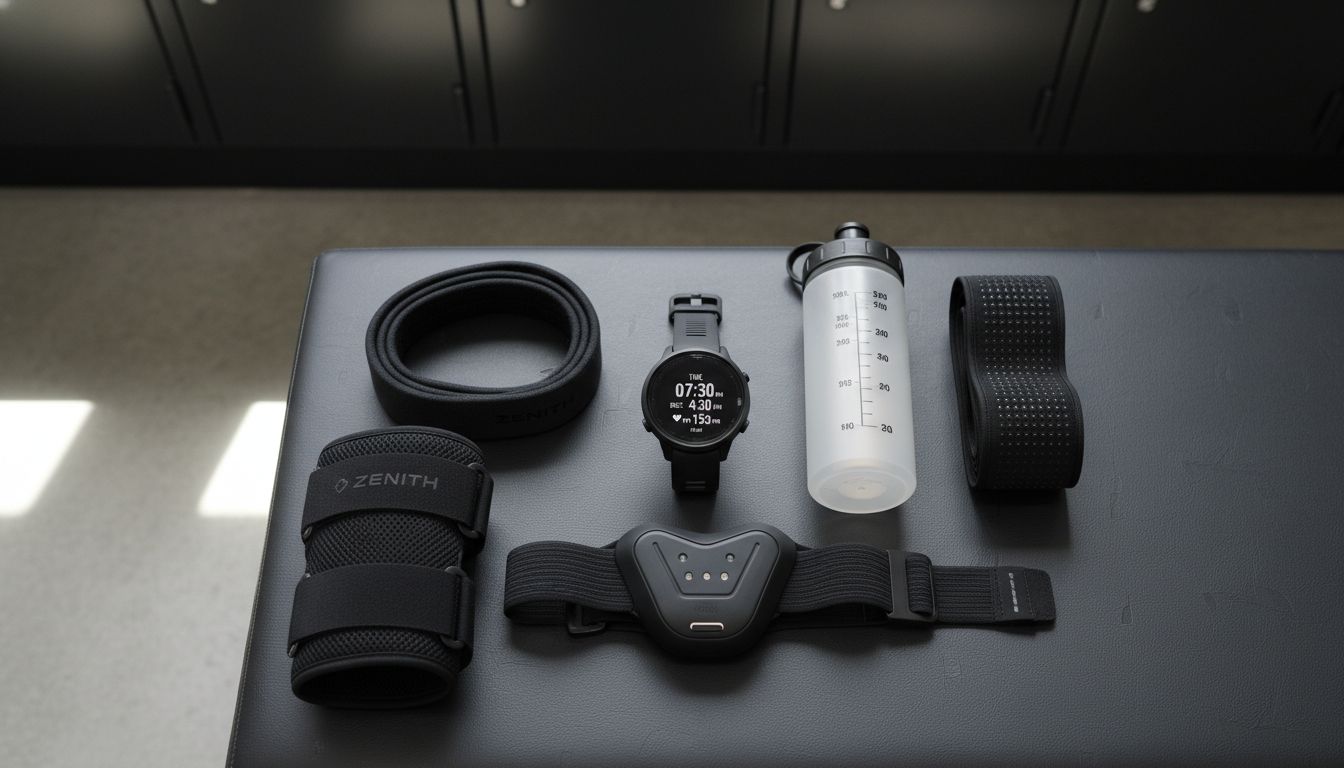 Understanding the unique characteristics of each accessory type enables more informed decision-making. If you’re looking to explore versatile running gear options, check out our guide on multi-functional running gear to discover innovative solutions that can enhance your running experience.
Performance, Comfort, and Injury Prevention Benefits
Running accessories are more than just additional equipment - they are critical tools designed to enhance athletic performance, ensure runner comfort, and mitigate injury risks. bmcsportsscimedrehabil.biomedcentral.com highlights how individualized accessory design can significantly alter biomechanics, potentially reducing the likelihood of overuse injuries and improving overall running efficiency.
Research from frontiersin.org reveals substantial biomechanical differences between recreational and collegiate runners, underscoring the importance of selecting accessories tailored to individual performance levels. These accessories provide multifaceted benefits across three critical domains:
Performance Enhancement Benefits
- Precision tracking of running metrics
- Real-time performance feedback
- Optimization of training strategies
- Improved running economy and technique analysis
Comfort and Physiological Support
- Moisture management
- Temperature regulation
- Reduced muscle fatigue
- Enhanced blood circulation
- Minimized chafing and skin irritation
Injury Prevention Mechanisms
- Shock absorption
- Joint stabilization
- Improved biomechanical alignment
- Targeted muscle and tendon support
- Early detection of potential movement irregularities
Ultimately, thoughtful selection of running accessories can transform an ordinary running experience into an optimized, data-driven, and safer athletic journey.
Runners who invest in high-quality, scientifically designed accessories not only protect themselves from potential injuries but also unlock their maximum performance potential. For more insights into comprehensive running gear solutions, explore our 7 Must-Have Items for a Packable Running Gear List.
Safety, Visibility, and Seasonal Adaptations
Running safety transcends basic protection, encompassing a holistic approach to environmental awareness and personal security. bmcpublichealth.biomedcentral.com emphasizes how physical environmental characteristics directly influence runners’ experiences, making visibility and safety accessories critical components of responsible running.
frontiersin.org highlights the intricate relationship between safety considerations and running accessory design, revealing how technological innovations can mitigate potential risks across different running environments. The strategic approach to safety involves multiple layers of protection and awareness:
Visibility Accessories
- Reflective vest and gear
- LED safety lights
- High-visibility color clothing
- Reflective arm/ankle bands
Seasonal Adaptation Strategies
- Thermal compression layers
- Waterproof and windproof outer gear
- Temperature-regulating accessories
- Moisture-wicking base layers
- Protective headwear for extreme conditions
Environmental Safety Considerations
- GPS tracking devices
- Emergency communication accessories
- Hydration management systems
- Protective eyewear
- Lightweight personal alarm systems
Runners must recognize that safety accessories are not optional extras but essential tools for creating a secure running experience. By investing in comprehensive safety gear, athletes can confidently navigate diverse environments while minimizing potential risks.
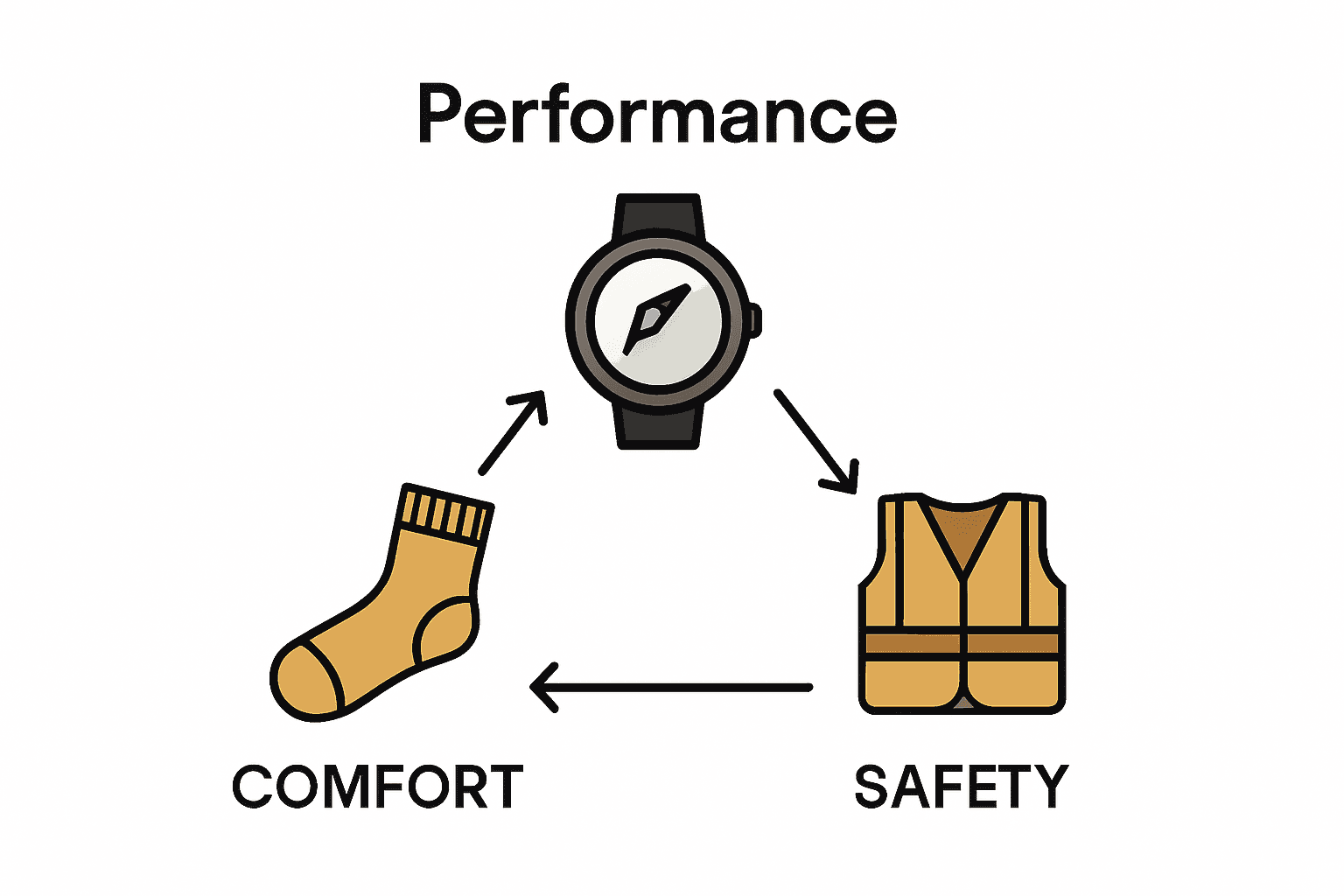 For runners seeking versatile safety solutions, our 7 Essential Examples of Running Bags for Every Runner provides additional insights into practical safety accessories.
Innovation, Material Experimentation, and Community Feedback
Running accessory development represents a dynamic intersection of technological innovation, scientific research, and user-driven design. arxiv.org demonstrates the cutting-edge potential of deep learning technologies in classifying running styles, showcasing how advanced computational approaches are revolutionizing our understanding of athletic performance and equipment design.
Research from arxiv.org further illuminates the critical role of community feedback in shaping running accessories, revealing how recreational runners’ intrinsic motivation directly influences technological innovation. This collaborative approach to product development encompasses several key dimensions:
Technological Innovation Pathways
- Artificial intelligence-driven design optimization
- Biomechanical performance analysis
- Advanced material science integration
- Real-time performance tracking
- Predictive injury prevention technologies
Material Experimentation Strategies
- Lightweight, adaptive fabrics
- Moisture-managing synthetic blends
- Temperature-responsive materials
- Sustainable and recycled fabric technologies
- Nanotechnology-enhanced performance textiles
Community-Driven Design Principles
- User experience feedback loops
- Crowdsourced performance testing
- Collaborative design workshops
- Open-source accessory development
- Athlete-manufacturer direct communication channels
The future of running accessories lies in this symbiotic relationship between technological innovation, scientific research, and user-driven design. By embracing a holistic approach that values both cutting-edge technology and runner experiences, manufacturers can create increasingly sophisticated and personalized running solutions. For runners interested in exploring the latest innovations, our Multi-Functional Running Gear: Complete Guide offers comprehensive insights into emerging accessory technologies.
Common Mistakes in Accessory Selection and Use
Running accessory selection is a nuanced process that requires careful consideration and understanding of individual needs. hrmars.com reveals significant differences in purchasing approaches between competitive and non-competitive runners, highlighting the complexity of making informed accessory choices.
Research from mdpi.com further illuminates the varied challenges runners encounter when selecting and using accessories, demonstrating that mistakes are often rooted in a lack of personalized understanding. These common errors can significantly impact running performance and overall athletic experience:
Sizing and Fit Mistakes
- Selecting accessories without proper measurements
- Ignoring individual body mechanics
- Choosing one-size-fits-all solutions
- Overlooking comfort and personal ergonomics
- Neglecting size variations between brands
Performance Misalignment Errors
- Using accessories inappropriate for skill level
- Mismatching gear with running environment
- Prioritizing aesthetics over functionality
- Ignoring specific training objectives
- Failing to update accessories as skills improve
Maintenance and Replacement Oversights
- Using worn-out or damaged accessories
- Neglecting regular equipment inspection
- Failing to understand accessory lifecycle
- Improper cleaning and storage techniques
- Postponing necessary replacements
Successful runners understand that accessory selection is a dynamic, personalized process requiring continuous learning and adaptation. By recognizing and avoiding these common mistakes, athletes can optimize their running experience, reduce injury risks, and enhance overall performance. For comprehensive guidance on making informed accessory choices, explore our 7 Must-Have Items for a Packable Running Gear List.
Elevate Your Running Experience with Innovative Accessories
Choosing the right running accessories is more than just picking gear it is about optimizing performance, enhancing comfort, and preventing injuries as the article highlights. Understanding the need for personalized sizing, biomechanical support, and seasonal adaptation can feel overwhelming especially when many products miss the mark on combining technical function with style. That is why our brand focuses on experimenting with materials and rigorously testing solutions with both professional athletes and passionate amateurs to deliver accessories that truly work for you.
Discover how you can avoid common mistakes in accessory selection by exploring our collection that goes beyond standard sportswear. Visit enthst.com and experience running apparel and accessories designed in collaboration with the running community to seamlessly blend streetwear style with cutting-edge technical innovation. Don’t wait to upgrade your gear and feel the difference in your next run. Start your journey now at https://enthst.com and check out our complete guide to running accessories along with insights into multi-functional running gear to perfectly match your unique running needs.
Frequently Asked Questions
What types of performance monitoring accessories are available for runners?
Performance monitoring accessories include GPS tracking devices, heart rate monitors, advanced running watches, and stride and cadence sensors that help track performance metrics during runs.
How do running accessories contribute to injury prevention?
Running accessories provide mechanisms for injury prevention through shock absorption, joint stabilization, improved biomechanical alignment, and targeted muscle support, ultimately reducing the likelihood of injuries.
What should I consider when choosing protective running gear?
When selecting protective running gear, consider your individual body mechanics, the specific areas that may need support, and whether the gear is appropriate for your running style and environment.
How can I enhance my comfort while running with accessories?
You can enhance comfort while running by using moisture-wicking headbands, temperature-regulating base layers, lightweight gloves, and hydration management systems that ensure you stay cool and dry during your run.