

Running Gear Selection Guide for All Skill Levels
Nearly 60 percent of american runners cite comfort as their top priority when choosing running gear. Finding the right outfit can make or break your run, especially with unpredictable weather and personal fitness goals at play. Understanding how your goals, environment, and body all come together helps you avoid common mistakes and set yourself up for better performance and enjoyment. This guide shows you the smartest ways to select gear that actually works for you every step of the way.
Table of Contents
- Step 1: Assess Your Running Goals And Climate Needs
- Step 2: Evaluate Apparel Materials And Technical Features
- Step 3: Choose Supportive Footwear And Essential Accessories
- Step 4: Test Gear Comfort, Fit, And Durability
- Step 5: Verify Gear Performance On A Trial Run
Quick Summary
| Key Insight | Explanation |
|---|---|
| 1. Start with clear goals | Understand your running objectives and climate to select appropriate gear. |
| 2. Choose the right materials | Opt for moisture-wicking fabrics like polyester while avoiding cotton to prevent discomfort. |
| 3. Prioritize proper footwear | Supportive and cushioned shoes are vital, especially for beginners, to avoid injuries. |
| 4. Test for comfort and fit | Actively move in your gear to ensure it fits well and feels comfortable before running. |
| 5. Conduct a trial run | Validate your gear in real running conditions to identify any issues related to comfort or performance. |
Step 1: Assess your running goals and climate needs
Selecting the right running gear starts with a clear understanding of your personal running objectives and the environmental conditions you will encounter. According to fredsteam.org, your clothing choices should prioritize moisture-wicking properties and overall comfort while being adaptable to changing weather conditions.
Your running experience and goals play a critical role in gear selection. pmc.ncbi.nlm.nih.gov highlights that novice runners typically have less than six months of running experience, often focusing on health improvement, stress management, and weight control. For these runners, comfort in footwear becomes paramount. Consider your current fitness level and weekly running volume: Are you running 0-3 sessions per week covering 5-20 kilometers? This information will help you make more targeted gear selections.
When assessing your climate needs, think layers. Your body temperature will naturally rise during exercise, so start with lightweight, breathable base layers that can be easily adjusted. A good rule of thumb is to dress as if it’s 10 degrees warmer than the actual temperature to account for the heat you’ll generate while running. Pack a lightweight jacket or long sleeve that you can tie around your waist if you get too warm. How to Choose Running Gear for Travel: Step-by-Step Guide can provide additional insights into selecting versatile running apparel.
Step 2: Evaluate apparel materials and technical features
Choosing the right running apparel requires understanding the technical features and materials that will enhance your running performance. According to runvan.org, moisture-wicking fabrics like polyester and nylon are crucial for keeping you dry and preventing chafing. Avoid cotton materials, as they retain moisture and can create significant discomfort during your run.
When evaluating technical features, focus on breathability and fit. fredsteam.org recommends trying out several brands and styles to find your ideal outfit. Look for gear with strategic ventilation, flatlock seams to reduce friction, and quick-drying properties. Consider the temperature range you will be running in and select materials that can help regulate your body temperature. For a deeper understanding of technical running apparel, check out our What Is Technical Running Apparel overview.
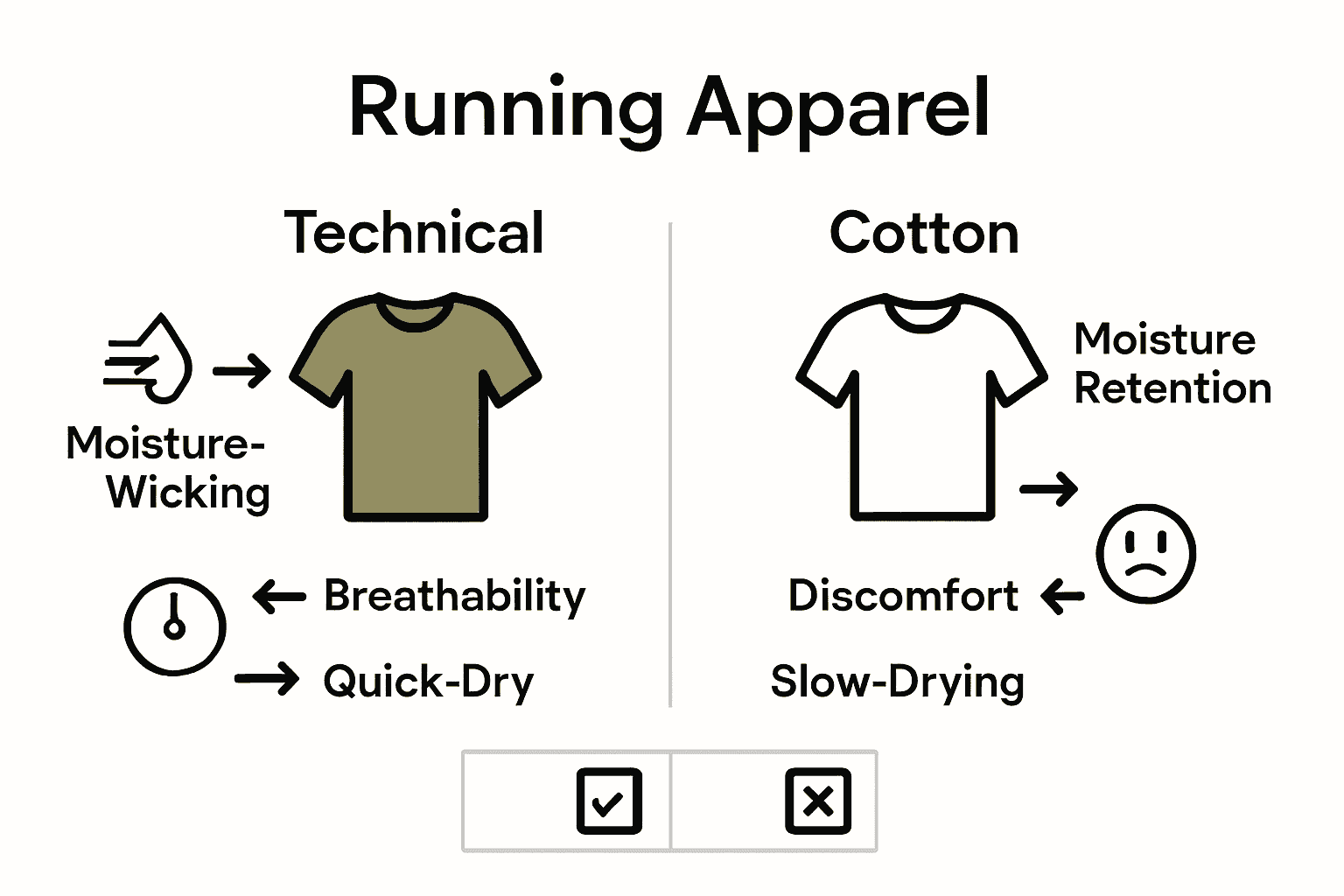
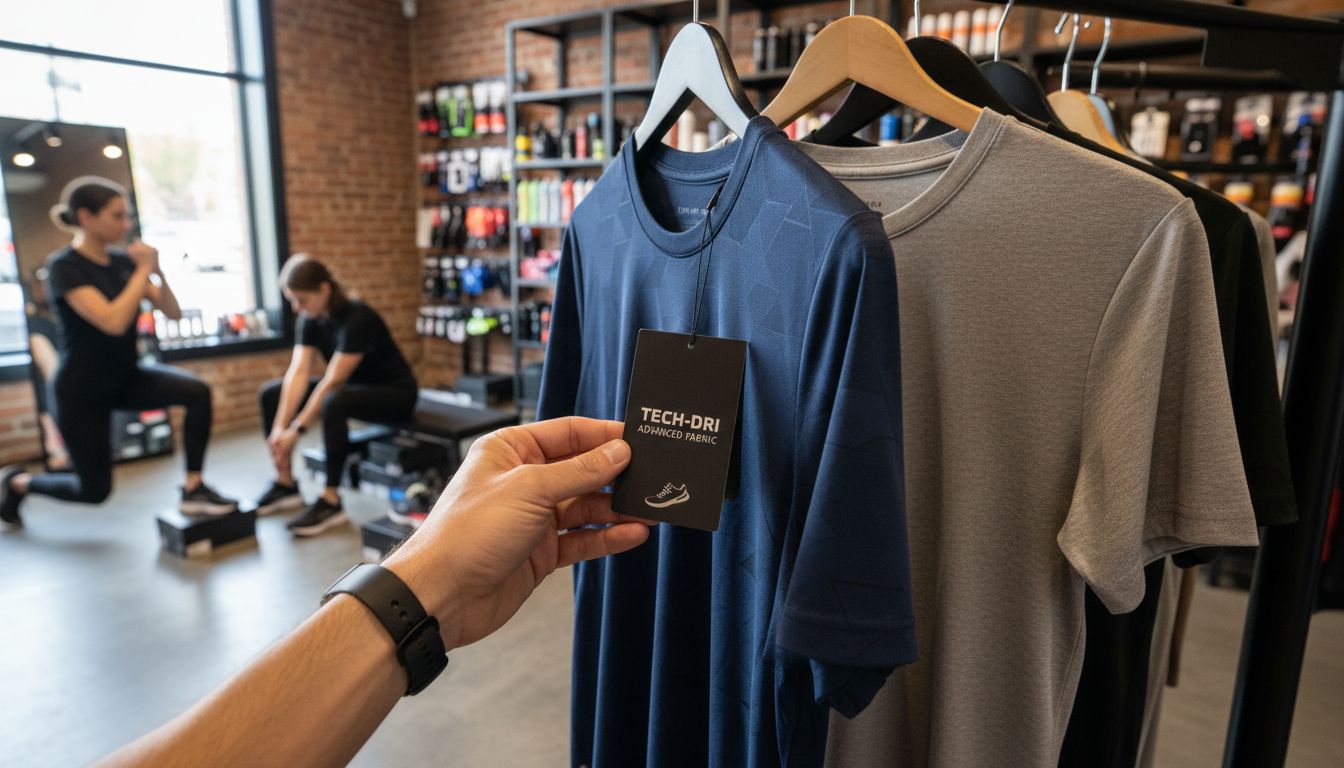
Pro tip: Pay attention to fabric weight and stretch. Lightweight, four-way stretch materials offer better range of motion and comfort. Some advanced technical shirts include features like UV protection, antimicrobial treatments, and reflective elements for added safety during low-light conditions. Your goal is to find apparel that moves with you, wicks away moisture, and keeps you comfortable throughout your run.
Step 3: Choose supportive footwear and essential accessories
Selecting the right running shoes is crucial for preventing discomfort and potential injuries. According to englandathletics.org, cushioning and support are especially important for beginners who are still developing the strength and endurance needed to handle running’s physical demands. Overlooking shoe quality can lead to serious issues like shin splints or stress fractures.
When choosing running accessories, think beyond just footwear. runvan.org emphasizes the importance of gear that is tailored to your specific foot type and running style. Look for shoes that provide the right balance of support and comfort, and consider additional accessories like moisture-wicking socks, lightweight running belt, and safety gear such as reflective elements. For a comprehensive look at running accessories that can enhance your performance, check out our guide to running accessories.
Pro tip: Always try on running shoes later in the day when your feet are slightly swollen, and bring the socks you typically run in. Walk and jog around the store to test the fit. Remember that expensive does not always mean better your perfect shoe depends on your unique foot structure, running style, and personal comfort. Invest time in finding the right pair that feels like an extension of your body.
Step 4: Test gear comfort, fit, and durability
Testing your running gear is a critical step in ensuring a comfortable and successful running experience. According to englandathletics.org, durability and breathability are key factors when selecting running shoes. High-quality materials that can withstand regular running are essential, as your gear will undergo significant wear and tear.
runvan.org emphasizes the importance of properly fitting gear that minimizes discomfort and prevents chafing. When testing your running apparel and accessories, move around actively to simulate running conditions. Check for potential friction points, assess the fabric’s moisture-wicking capabilities, and ensure unrestricted movement. For more insights into selecting versatile running gear, explore our multi-functional running gear guide.
Pro tip: Conduct a thorough wear test before committing to a full running routine. Wear new gear around the house, do some light stretching, and even simulate running movements. Pay attention to how the fabric feels against your skin, whether seams cause irritation, and if the fit allows for natural movement. Remember that comfort varies from person to person, so what works for someone else might not work perfectly for you. Trust your body’s signals and prioritize gear that feels like a second skin.
Step 5: Verify gear performance on a trial run
Before committing to a serious running routine, a trial run is essential to validate your gear’s real-world performance. fredsteam.org recommends testing your clothing and accessories under actual running conditions, which helps you identify potential comfort and functionality issues before undertaking longer runs or races.
runvan.org emphasizes the critical nature of testing gear performance in authentic running scenarios. During your trial run, focus on several key aspects: how your clothing moves with your body, potential friction points, moisture management, and overall comfort. Pay attention to how your shoes respond to different surfaces and your body’s natural movement patterns. Check for any unexpected chafing, unusual fabric behavior, or accessory limitations. For additional insights into maximizing your running gear performance, explore our marathon-ready gear guide.
Pro tip: Document your trial run experience. Take mental or written notes about what worked well and what felt uncomfortable. Different running environments and intensities can reveal subtle gear performance nuances. Remember that a perfect piece of running gear for one runner might not be ideal for another. Your personal comfort and performance are the ultimate metrics for gear selection.
Find Your Perfect Running Gear with Enthst
Choosing the right running gear can feel overwhelming with so many technical features and comfort needs to consider. This guide highlights the key challenges every runner faces such as selecting moisture-wicking apparel, supportive shoes, and durable accessories that move with your body without causing discomfort or chafing. Your goal is to run confident and comfortable regardless of skill level or weather conditions.
At Enthst we combine innovative materials with streetwear style to offer thoughtfully designed solutions tested by professional athletes and running enthusiasts alike. Our collection S25 features apparel engineered for breathability and perfect fit enabling you to enjoy every mile. Don’t overlook essential details — explore our accessories designed to complement your running routine and keep you safe while looking great.
Start upgrading your running experience today with gear that truly supports your journey. Visit Enthst.com now and discover how the right apparel and accessories can help you run longer, faster, and happier.
Frequently Asked Questions
How do I assess my running goals for gear selection?
Understanding your running goals is crucial for selecting the right gear. Start by identifying your experience level and what you aim to achieve, such as improving fitness or preparing for races. Consider your current weekly running volume, and use this information to narrow down your gear choices to best meet your needs.
What materials should I look for in running apparel?
Opt for moisture-wicking fabrics like polyester and nylon, which help keep you dry during runs. Avoid cotton, as it retains moisture and can cause discomfort. Focus on apparel with breathability and durability, ensuring they can withstand regular use.
How can I find the right running shoes for my foot type?
Finding the right running shoes involves understanding your foot’s shape and your running style. Analyze your arch type and consider trying on multiple options in-store to test comfort and support. Aim to wear the same socks you plan to run in to ensure an accurate fit.
What should I test during a trial run with my new gear?
During a trial run, focus on comfort, fit, and performance of your gear. Pay attention to how clothing moves with your body and check for any friction points. Note how your shoes perform on different surfaces to determine their suitability for your usual running conditions.
How do I maximize comfort and durability in my running gear?
To ensure comfort and durability, thoroughly test your gear before committing to regular running. Wear new apparel around your home, perform light stretches, and simulate running movements. Document your experience to identify any issues, so you can select gear that feels great and lasts longer.